
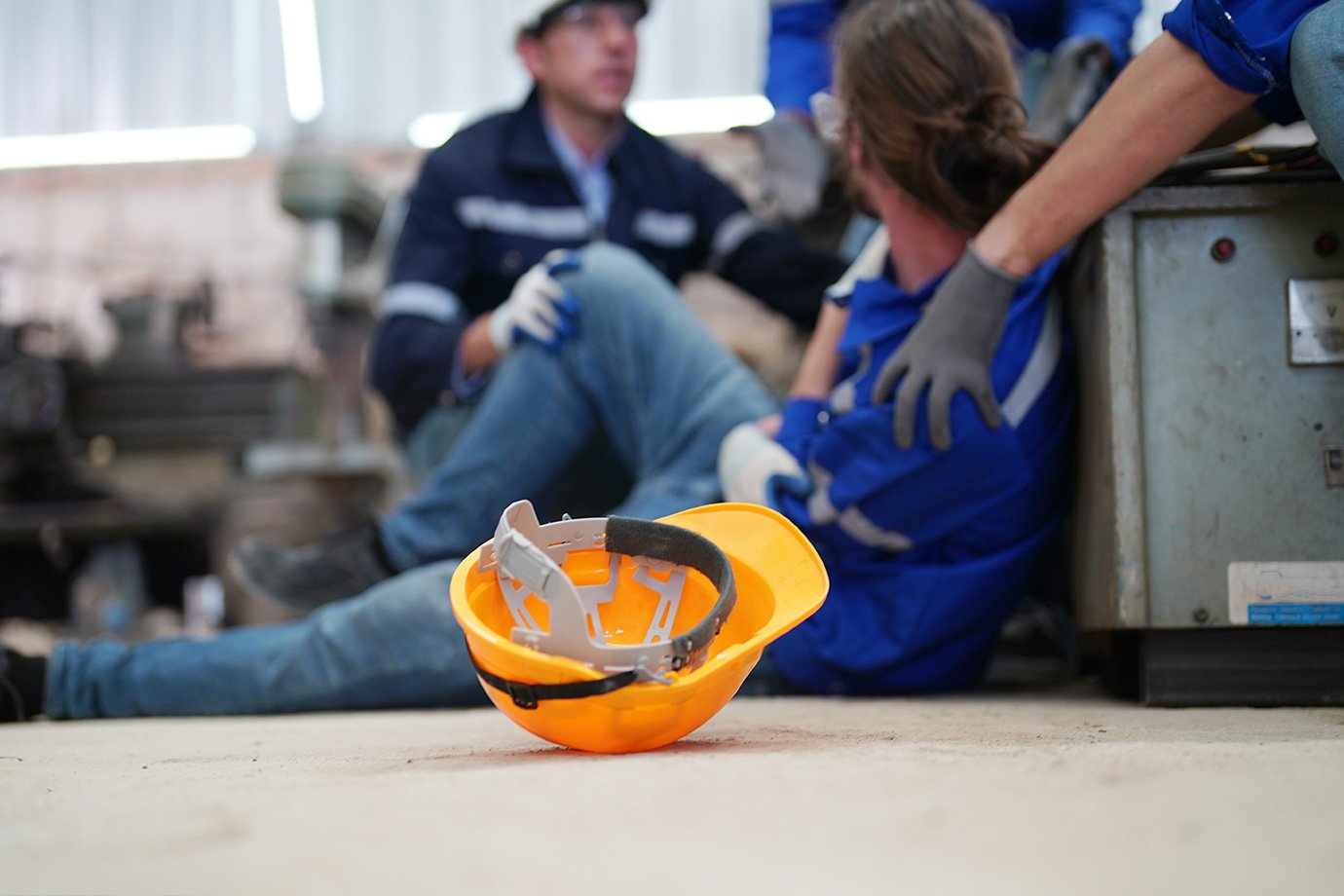


Have you ever watched a safety video that explained procedures clearly, yet still felt easy to ignore? This often happens when training stays too theoretical. Without real context, it can feel distant from everyday work.
That is where real-life incidents make a difference. When safety videos include actual events or realistic reconstructions based on them, the message becomes more immediate and harder to dismiss. Employees can see how risks unfold, what goes wrong and what the consequences look like.
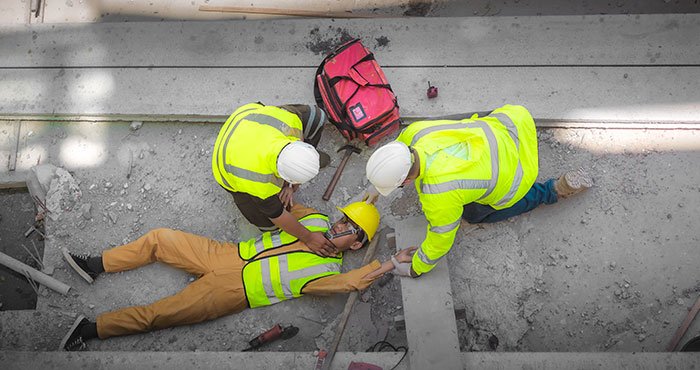
Using real-life incidents to highlight the importance of safety in videos helps turn abstract rules into practical understanding. It shows why procedures exist, not just what they are.
If you want your safety training to connect more strongly with your team, this guide explains how to use real incidents effectively, without overcomplicating or overwhelming your content.
Using Real-Life Incidents to Highlight the Importance of Safety in Videos: An Overview
To use real incidents effectively in safety videos, focus on:
- Building emotional connection through real-life stories and lived experiences
- Incorporating worker vox pops or interviews where employees share personal accounts of serious incidents and their impact on everyday life
- Including re-enactments of actual events to demonstrate what occurred and the factors leading up to them, including missed steps or broken procedures
- Making scenarios relatable so workers clearly understand the consequences of not following safety procedures
- Using real examples in group training sessions to promote discussion and reflection on safer work practices
- Clearly explaining cause and effect to reduce ambiguity and improve understanding of hazards
- Strengthening hazard recognition so workers can identify risks and help prevent similar incidents in the future
Below, we explore each of these in detail so your safety videos feel relevant, credible and impactful.
Creating an Emotional Connection Through Real-life Stories and Experiences
Real-life incidents are powerful because they make safety feel real rather than theoretical. When workers see genuine consequences of unsafe actions, it creates an emotional response that helps the message stick. This connection often improves attention and makes safety information more meaningful compared to generic training content.

Here’s what you can do:
- Use short, focused incident stories rather than long explanations to maintain attention
- Prioritise incidents that reflect common workplace risks, not extreme or rare events
- Include ‘before and after’ context to show how quickly situations can escalate
- Keep the tone respectful and factual to avoid sensationalising harm
Using Worker Vox Pops or Interviews for Personal Impact
Including vox pops or interviews where employees share their own experiences of serious incidents can be highly impactful. Hearing a colleague describe what happened and how it has affected their daily life, adds authenticity and credibility. It also helps reinforce that incidents are not abstract events, but real situations that can have lasting consequences.
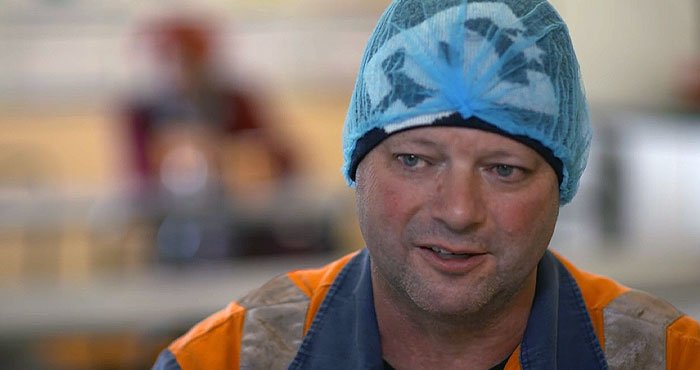
For example:
- Ask open-ended questions like ‘What happened?’ and ‘What would you do differently now?’
- Keep interviews concise (30–90 seconds works well in safety videos)
- Use relatable workers from the same or similar roles as the audience
- Focus on impact, such as physical recovery, confidence or changes in behaviour
Including Re-enactments of Actual Incidents to Show What Happened
Re-enactments are an effective way to visually demonstrate how an incident unfolded. Showing the sequence of events, including any missed steps or broken procedures, helps workers understand exactly how and why things went wrong. This makes the learning experience clearer and easier to retain.
Pro Tips:
- Break the incident into clear stages: before, during and after
- Highlight specific actions where procedures were not followed (without blaming individuals)
- Use simple visuals or diagrams alongside the re-enactment to reinforce key moments
- Keep re-enactments realistic rather than dramatic to maintain credibility
Making Scenarios Relatable to Everyday Workplace Situations
Safety videos are most effective when workers can see themselves in the scenario. Using incidents that reflect common workplace risks helps employees better understand the consequences of not following safety rules. This relevance improves engagement and encourages more careful decision-making on the job.

You may:
- Choose incidents that match the audience’s actual work environment (e.g., warehouse, office, site)
- Use familiar equipment, tasks and settings in examples
- Avoid overly technical or irrelevant scenarios for the audience level
- Link the situation directly to their daily tasks and responsibilities
Using Group Training Discussions to Reinforce Learning
Real incidents are especially valuable in group training sessions where teams can discuss what happened and why. Facilitated discussions allow workers to reflect on safer alternatives and share perspectives, which deepens understanding and strengthens collective safety awareness.
Examples:
- Ask ‘What could have prevented this incident?’ to guide discussion
- Encourage workers to identify hazards they might have missed initially
- Use small group breakouts to increase participation
- Summarise key takeaways at the end to reinforce learning points
Clarifying Cause and Effect to Remove Ambiguity
Breaking down incidents clearly helps workers understand the link between actions and outcomes. When cause and effect are explained step by step, it becomes easier to identify where things went wrong and what could have been done differently. This clarity supports better learning and decision-making.
Pro Tips:
- Use simple timelines to show what happened in order
- Clearly link each unsafe action to its outcome
- Avoid jargon or overly complex explanations
- Highlight critical decision points where outcomes could have changed
Strengthening Hazard Recognition for Future Prevention
Ultimately, real-life examples help workers recognise hazards earlier. By seeing how incidents develop, employees become more aware of warning signs in their own environment. This improves their ability to act before an incident occurs, supporting safer behaviours across the workplace.
Tips / Examples:
- Point out ‘early warning signs’ shown in the incident
- Compare safe vs unsafe behaviours side by side
- Reinforce key hazards at the end of each scenario
- Encourage workers to identify similar risks in their own workplace after viewing
Final Thoughts
Using real-life incidents to highlight the importance of safety in videos helps turn training into something practical and relevant. When employees see how risks develop and what the consequences look like, the message becomes clearer and easier to apply.
Selecting relevant scenarios, presenting them clearly and linking them to actionable steps allows you to create safety videos that support both awareness and behaviour change. The goal is not to create dramatic content, but to deliver meaningful insights that help your team work more safely every day.
Ready to Create Safety Videos That Make a Real Impact?
At Channel 1 Creative Media, we help organisations develop safety training videos that combine real-world scenarios with clear, practical guidance. From concept development to filming and post-production, we ensure your content is relevant, professional and aligned with your workplace needs.Call us on 0387430488 or visit our Contact Us page to discuss your safety video project. Let’s create content that connects with your team and supports a safer workplace.