



Across the organisations we work with, we are seeing a clear shift in the importance placed on how training is delivered — not just what it contains.
For years, learning design was all about getting the content right. Policies explained in detail, procedures documented to the letter, compliance boxes ticked. All important, of course. But more and more teams are realising that even the most accurate content won’t land if the format doesn’t help people absorb it.
How training is delivered is now carrying just as much weight as the content itself.

And it makes sense. People today are navigating fast‑moving workplaces, constant digital noise, and very little spare time. A 40‑slide PowerPoint — even a beautifully written one — just doesn’t stand a chance against that reality. It’s not that people don’t care; it’s that the format isn’t built for how they actually work.
So organisations are refreshing their approach, leaning into formats that feel clearer, more visual, and more human.
Short Form Video
Short‑form video is becoming the go‑to for explaining expectations quickly. When someone can see how a process works or watch a conversation play out, the message lands faster and sticks longer. With clear demonstration, there’s less room for interpretation, and people feel more confident repeating what they’ve seen. Also breaking content into short, focused modules rather than delivering one long video helps hold attention and makes the learning more likely to stick.
Scenario-Based Learning
Scenario‑based learning has been around for a long time, but it’s definitely not losing steam. If anything, it’s having a bit of a resurgence. Instead of relying on hypothetical examples, organisations are going back to what’s always worked: showing real workplace moments — the tricky conversations, the pressure points, the decisions that actually happen on the floor.
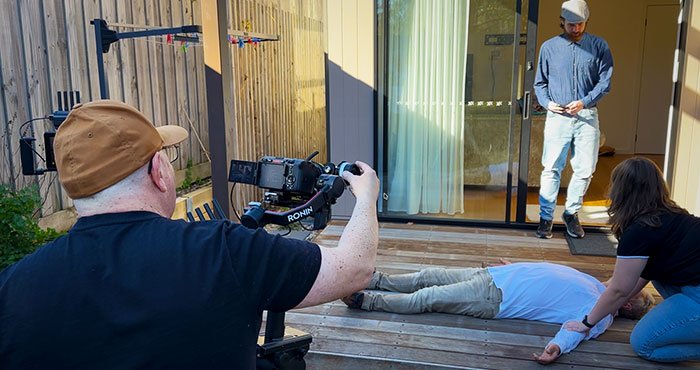
When people recognise themselves in a situation, the training stops feeling abstract. It feels real, relatable, and immediately useful.
Staff Involvement
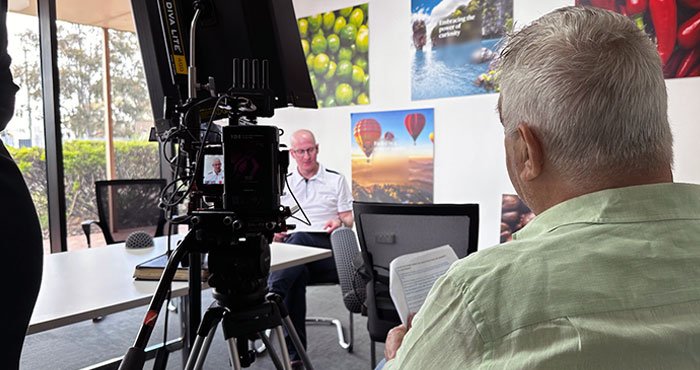
We’re also seeing more organisations put their own people on camera. A colleague explaining a hazard in their own workspace hits differently than a generic voiceover or reading it on a slide. It feels more authentic and often resonates far more deeply.
Interactive eLearning
Inside eLearning, interactive checkpoints are being sprinkled throughout rather than saved for the final quiz. These small “pause and think” moments keep people engaged and help reinforce understanding as they go.

Revitalising Existing Content
And importantly, organisations are realising they don’t need to start again from scratch. Often the core message is still solid, it just needs a better way of being delivered. Breaking longer modules into shorter pieces, adding visual examples, or weaving in a few real scenarios can completely change how the training feels.
It’s becoming clear that how training is delivered isn’t just presentation, it plays a real role in building capability.
When expectations are shown clearly and in context, people feel more confident about what’s expected of them. They’re more likely to apply it consistently. And in today’s complex work environments, that kind of clarity isn’t just helpful — it’s essential.
In the end, rethinking format isn’t about making training “prettier.” It’s about making it work better for the people who rely on it.