



Workplace safety videos are essential, but getting employees to actually watch them is the real challenge. Most staff members have seen countless generic safety videos that feel repetitive, outdated or overly scripted. The result? Low engagement and limited retention.
So, how do you produce workplace safety videos that employees will willingly watch from beginning to end? It’s all about creating content that feels relevant, visually engaging and directly connected to their daily tasks. When safety training feels practical and relatable, employees don’t just watch; they absorb and apply the information.
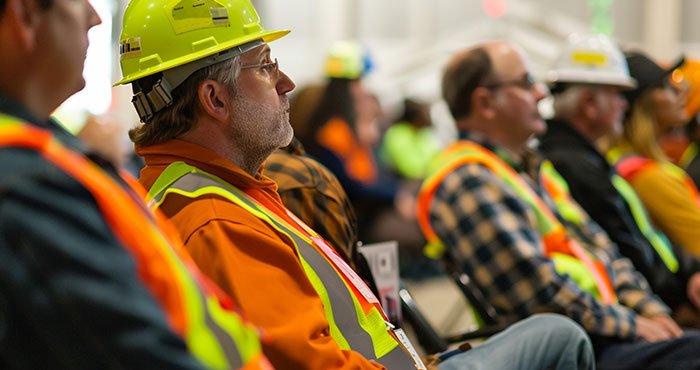
In this blog, we’ll give tips for producing workplace safety videos that capture attention and drive learning, alongside insights on the benefits of professional production.
How to Produce Workplace Safety Videos That Employees Will Watch: A Quick Overview
Here are the key elements that make workplace safety videos engaging and effective:
- Clear, relatable storytelling
- Real workplace situations, not generic stock footage
- Concise scripts with simple, direct messaging
- High-quality visuals and audio
- Professional talent or confident team presenters
- Strong pacing and creative editing
- Tailored content for different roles or departments
- Platform-friendly formats optimised for LMS delivery
Let’s explore how each of these contributes to a safety video employees will actually pay attention to.
Start with a Clear and Relatable Story
The most effective safety videos don’t rely on long explanations but on stories. When employees can see real situations unfold, it becomes easier to understand what’s at stake.
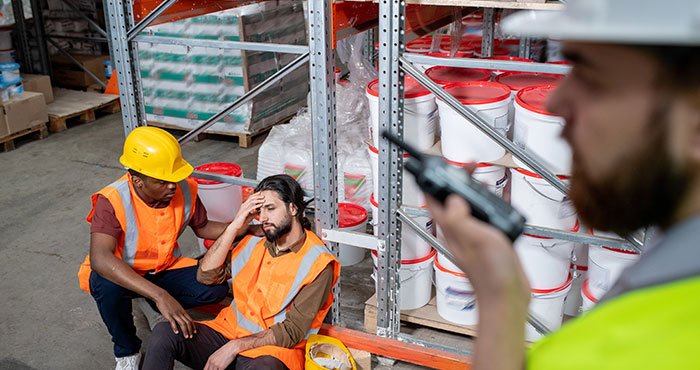
Why Storytelling Works:
- It mimics real-life decision-making.
- Viewers emotionally connect with the outcome.
- Employees see themselves in the situation.
- It avoids the ‘lecture-style’ format that loses attention quickly.
Story Ideas for Workplace Safety Videos:
- A worker making a common mistake and how to avoid it
- A short case study inspired by a real incident
- A ‘day in the life’ sequence highlighting small but critical safety steps
- A role-play scenario showing the right vs wrong approach
Pro Tip: Keep stories concise. A 30–60 second scenario can communicate more impact than a five-minute explainer.
Show Real Workplaces, Real Equipment and Real Risks
Employees lose interest quickly when a video feels disconnected from their environment. Filming in actual worksites (or a realistic simulation) makes the message instantly more relevant.
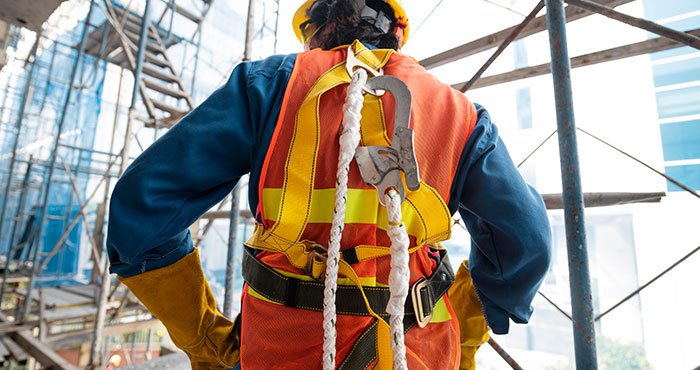
Include Footage That Shows:
- On-the-job hazards that employees recognise
- Tools and equipment your teams actually use
- Common near misses unique to your industry
- Employees modelling correct safety behaviours
When the visuals mirror their everyday environment, employees are far more likely to engage and take the content seriously.
Pro Tip: Before filming, conduct a walk-through of your workplace to identify high-impact visuals and realistic examples.
Keep Scripts Short, Clear and Conversation-Friendly
Safety messaging often becomes overly technical. While accuracy is crucial, simplicity helps employees retain more information.
Scriptwriting Best Practices:
- Use plain language instead of safety jargon
- Break complex rules into simple steps
- Keep each key message under 20–30 seconds
- Speak to the viewer as if you were guiding them personally
- Focus on ‘why’ as much as ‘what’
Pro Tip: Read your script aloud before filming. If any sentence feels too long or stiff, simplify it.
Use Strong Visuals and Professional Camera Work
High-quality visuals make an immediate difference in how seriously employees treat safety content. Even the strongest message loses impact if the footage feels flat or outdated.
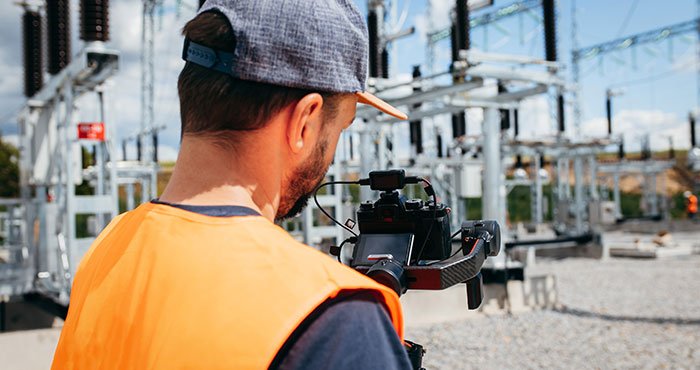
Visual Elements That Boost Engagement:
- Close-ups showing safe/unsafe behaviours
- Walk-through shots of work areas
- Over-the-shoulder perspectives for realism
- Slow-motion replays of key risk moments
- Clear on-screen labels or pop-up reminders
Professional filming adds polish that builds credibility and attention, especially when capturing complex movements, heavy machinery or hazardous tasks.
Make Audio Clear and Purposeful
Poor audio is one of the fastest ways to lose viewer interest. Every safety message needs to be crystal clear, especially when filming in busy environments.
Audio Tips for Effective Safety Videos:
- Use lapel mics for presenters
- Capture clean voiceover in a quiet studio
- Record ambient workplace sounds to enhance realism
- Lower background noise under spoken narration
- Keep pacing steady so employees can process instructions
Pro Tip: Add short sound cues to emphasise mistakes, warnings or important safety checks.
Use Pacing and Editing to Keep Viewers Engaged
Good editing turns safety content into something employees want to watch, not just something they have to watch.

Editing Techniques That Boost Engagement:
- Quick cuts to maintain momentum
- Text overlays to reinforce key points
- Split screens showing right vs wrong
- B-roll that visualises each safety step
- Smooth transitions to keep the flow natural
The goal is to avoid long, static shots that feel like a lecture. Dynamic pacing helps maintain attention, especially for teams who may already feel ‘training fatigue.’
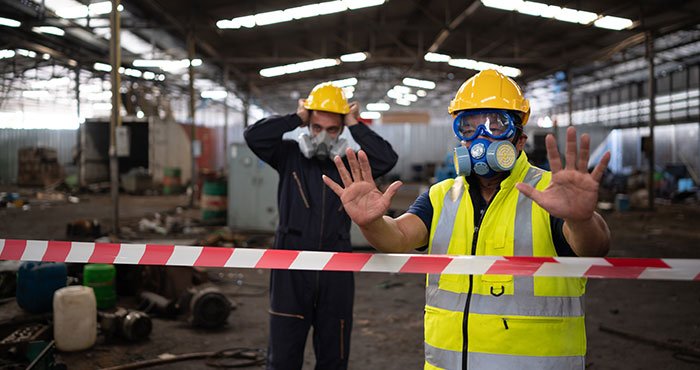
Tailor Safety Videos to Specific Roles or Departments
A generic safety video rarely speaks to everyone. Tailored content boosts relevance and retention.
Examples:
- Manual handling for warehouse teams
- PPE guidelines for lab or factory staff
- Fire safety for office workers
- Chemical handling for specialised technicians
- Outdoor safety for field-based teams
Employees are far more likely to watch the full video when the content applies directly to their tasks and risks.
Incorporate Microlearning for Better Retention
Employees tend to digest safety training better when content is broken into short, focused videos rather than long modules.

Benefits of Microlearning Safety Videos:
- Easier to fit into daily routines
- Shorter content means higher completion rates
- Employees can rewatch specific topics as needed
- Ideal for LMS or mobile delivery
A series of 1–3 minute videos often outperforms a single 12–15 minute safety video.
Use a Professional Voiceover or Confident Presenter
A strong presenter can transform a safety video from forgettable to engaging.
Why It Matters:
- They set the tone and energy
- Viewers trust confident delivery
- Instructions feel clearer and more authoritative
Whether using professional talent or trained internal staff, presentation quality influences how employees perceive the message.
Add Visual Summaries and On-Screen Checklists
Employees remember information better when it’s reinforced visually.
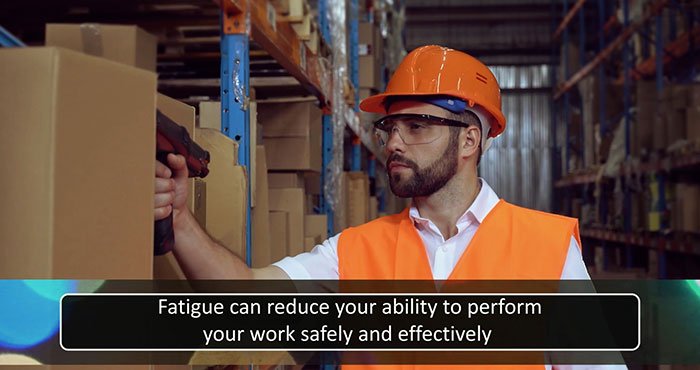
Effective On-Screen Elements:
- Step-by-step safety checklists
- Do’s and don’ts comparisons
- Icon-based reminders (PPE, hazards, stop signs)
- Colour-coded alerts
- Short final summaries
These reinforce the video’s message long after the viewer finishes watching.
Optimise Videos for the Learning Platform
Great content loses impact if the delivery is inconvenient. Employees are more likely to watch safety videos when the format fits seamlessly into your learning management system (LMS).
Optimisation Tips:
- Export in mobile-friendly formats
- Use short modules for better progress tracking
- Include captions for accessibility
- Add interactive questions or prompts
- Track completion and rewatch data for insights
Pro Tip: Pair videos with short quizzes to improve knowledge retention.
Final Thoughts
Producing workplace safety videos that employees will actually watch requires thoughtful planning, engaging visuals and content that speaks directly to their daily experiences. Real-world examples, clear messaging, strong visuals and smart pacing make safety videos relevant, memorable and effective.
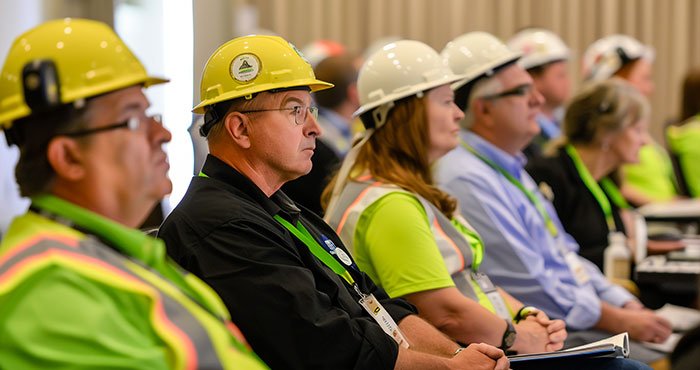
Safety training works best when it engages employees with real, actionable knowledge for their daily tasks. The right approach ensures workplace safety videos inspire safer behaviour, boost engagement and build a more confident workforce.
Ready to Create Safety Videos Your Employees Will Actually Watch?
At Channel 1 Creative Media, we specialise in producing high-quality workplace safety videos that engage teams and bring safety messages to life. Whether you need role-specific modules, real workplace scenarios or a complete safety training series, our team ensures your content is clear, authentic and effective. Call us on 0387430488 or visit our Contact Us page to discuss your safety video requirements. Let’s create training your employees will truly engage with.