



Workplace safety videos are more than just training tools. They’re actually one of the most effective ways to communicate safety expectations clearly and consistently. When done well, they help employees understand risks, follow procedures and apply safe behaviours in real situations. However, creating a safety video that truly resonates with employees requires more than just filming instructions. It needs planning, clarity, relevance and professional execution.
Whether you’re developing videos for onboarding, compliance or ongoing safety programs, following the right steps ensures your message is both engaging and memorable. In this blog, we’ll walk through the key steps to creating impactful workplace safety videos that genuinely influence employee behaviour and contribute to a safer work environment.
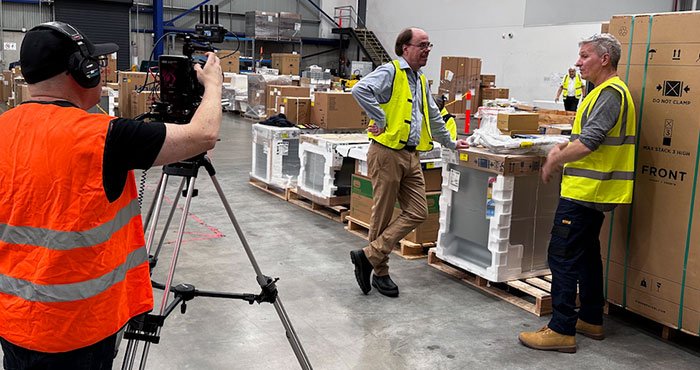
Steps to Create Impactful Workplace Safety Videos: A Quick Overview
Here are the essential steps involved in producing effective and engaging workplace safety videos:
- Identify the purpose and audience
- Map out the safety messages and structure
- Conduct a location assessment
- Write a clear, concise and practical script
- Film real workplace situations and demonstrations
- Use professional visuals, audio and direction
- Edit with intention to maximise clarity and retention
- Optimise for your learning platform or training delivery method
Let’s look at how each step helps create safety videos that are clear, engaging and effective.
Start by Identifying the Purpose and Audience
Before planning any footage or script, it’s important to clearly define who the video is for and what it needs to achieve. Safety videos designed for office staff look very different from those intended for warehouse teams, field workers or technicians.
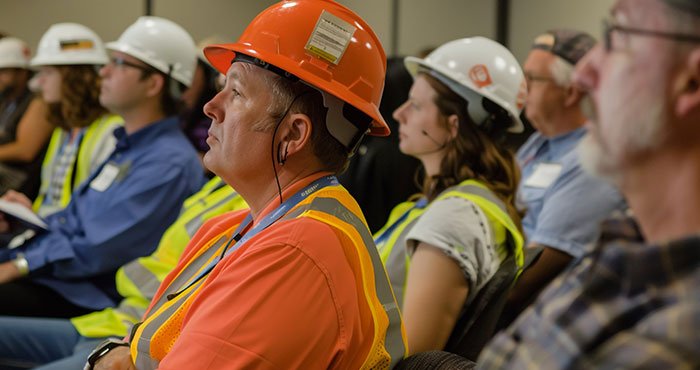
Consider these questions to guide this step:
- What specific safety issues need to be addressed?
- Is the video for new hires, experienced staff or a particular department?
- Should the focus be on awareness, compliance or behaviour change?
- How familiar is the audience with the content?
When the purpose is clear, the rest of the production becomes much more focused.
Map Out the Key Safety Messages
Safety videos are most effective when they focus on a few essential messages rather than overwhelming employees with too much information at once.

To map out your core safety points, consider:
- Listing the main hazards employees need to be aware of.
- Breaking procedures into simple, actionable steps.
- Highlighting the most critical ‘do’s and don’ts.’
- Prioritising clarity over technical detail.
Pro Tip: Use this step to establish the overall flow of the video—introduction, demonstration, key reminders and final summary.
Conduct a Location Assessment (Recce)
A pre-filming location assessment helps ensure the final video looks realistic and visually strong. Understanding the environment also helps you plan the best angles, lighting and equipment.

During your recce, look for:
- Natural lighting conditions
- Areas with high traffic or noise levels
- Ideal spaces for staged scenarios
- Real examples of hazards to demonstrate
- Practical filming spots for wide, medium and close-up shots
Taking photos and notes during this stage will keep your production organised and visually consistent.
Write a Clear, Practical Script
A successful workplace safety video relies on a script that is simple, direct and easy to follow. Overly complicated explanations can quickly lose viewer interest.
Check out these scriptwriting guidelines:
- Use conversational language
- Keep instructions step-by-step
- Highlight the key actions that employees must remember
- Combine voiceover with on-screen cues
- Avoid long paragraphs of technical jargon
The best scripts reflect real-world tasks and speak directly to the viewer.
Film Realistic Workplace Scenarios
Showing real employees, real equipment and real environments makes the content relatable and memorable. This authenticity helps employees apply what they learn when facing similar situations.

Effective filming techniques include:
- Close-ups showing correct and incorrect actions
- Walk-through shots using gimbals for smooth movement
- Demonstrations performed by trained staff
- Split-screen comparisons of safe vs unsafe behaviour
- Slow-motion replays of critical steps
Authentic visuals help bridge the gap between theory and real practice.
Use Professional Visuals and Audio
Impactful safety videos must be visually clear and professionally produced. Poor lighting, unclear audio or shaky footage can distract viewers and reduce the message’s effectiveness.
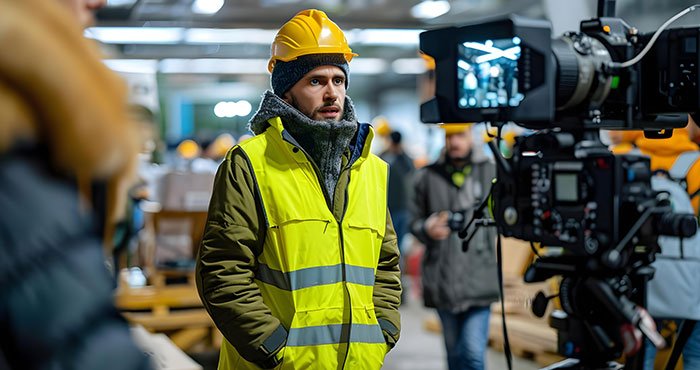
Professional production elements include:
- High-quality cameras and stabilisers
- Clear lapel microphones for presenters
- Proper lighting for indoor or low-light environments
- Clean, well-framed shots
- Direction that ensures confident delivery
Good production quality ensures the safety message is taken seriously.
Edit for Engagement and Clarity
Editing shapes the final message and flow of your safety video. Effective editing keeps viewers engaged and ensures each concept is communicated clearly.
Below are key editing techniques that can help enhance impact:
- Smooth transitions between scenes
- On-screen text highlighting important points
- Icons and graphics to support instructions
- Pacing that matches the complexity of the task
- Background music used subtly to maintain attention
Pro Tip: Avoid cutting too quickly. Allow viewers enough time to observe each step clearly.
Add Visual Summaries and Recaps
A strong recap at the end of the video helps reinforce the essential steps and safety messages.
Some useful recap methods are:
- Bullet-point reminders
- Animated checklists
- Highlighted do’s and don’ts
- A final scene showing correct behaviour in action
These summaries boost retention and increase the likelihood of employees applying the training.
Tailor Content for Your Training Platform
Optimising the final video for your learning platform ensures smooth delivery and accessibility.

Here are some key considerations:
- Export videos in platform-friendly formats
- Use captions for accessibility and noisy environments
- Break longer videos into bite-sized microlearning modules
- Add interactive questions, quizzes or prompts
- Track viewership, completion and engagement
When employees can access training conveniently, they’re more likely to complete and retain it.
Encourage Engagement After the Video
Your safety video shouldn’t be the end of the conversation. Follow-up discussions help reinforce the content and encourage active safety behaviour.
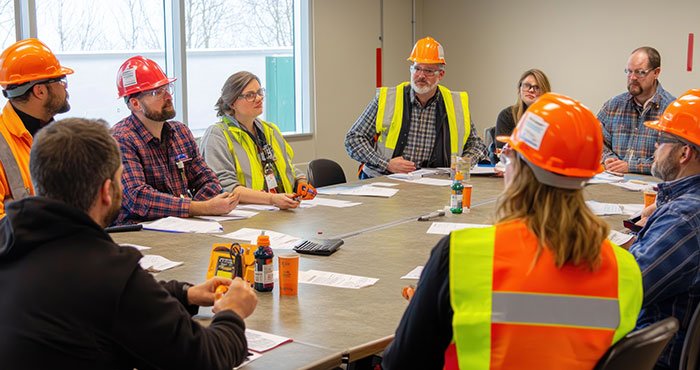
Consider these approaches for follow-up:
- Toolbox meetings
- Q&A sessions
- Team discussions about key points
- Quick assessments or knowledge checks
- Posters or digital reminders aligned with the video’s content
Ongoing reinforcement is key to keeping safety practices front of mind.
Final Thoughts
Creating impactful workplace safety videos requires thoughtful planning, clear communication and a strong visual approach. When you define your audience, map essential messages, film real-world situations and optimise for engagement, your videos do more than inform; they influence behaviour and support a safer workplace.
Each stage of the production process strengthens your safety culture, reduces risks and builds employee confidence.
Ready to Create Workplace Safety Videos That Make an Impact?
At Channel 1 Creative Media, we produce high-quality workplace safety videos that communicate clearly, engage employees and support safer work practices across all industries. Whether you need induction modules, procedure demonstrations or department-specific safety content, our team ensures your videos are clear, compelling and professionally executed. Call us on 0387430488 or visit our Contact Us page to discuss your safety video requirements. Let’s create training videos that truly make a difference in your workplace.