



In Australian workplaces, safety is no longer limited to physical hazards, such as machinery, manual handling or slips and trips. Psychological health now sits alongside physical safety under work health and safety legislation. Yet many organisations still ask this question: What are psychosocial hazards at work?
Psychosocial hazards are workplace factors that can harm mental health. Examples include bullying, conflict, heavy workloads, poor support and organisational change. They arise from the way work is designed, managed and organised, as well as from social interactions at work. When these hazards are not identified and controlled, they can lead to stress, anxiety, burnout or more serious mental health concerns.

If you are developing staff training, understanding how to explain psychosocial hazards clearly is essential. In this blog, we provide a straightforward breakdown suitable for a training video, so your team can recognise risks and respond appropriately.
What Are Psychosocial Hazards at Work? An Overview
Psychosocial hazards at work are aspects of a job or workplace environment that may negatively affect an employee’s mental health and overall wellbeing.
These hazards can contribute to stress, fatigue, anxiety, burnout and other forms of psychological harm. Common examples include:
- Workplace bullying and harassment
- Ongoing conflict
- Excessive workloads or unrealistic deadlines
- Poor communication or lack of support from supervisors
- Poorly managed organisational change
How Psychosocial Hazards Differ from Physical Hazards
Most employees easily recognise physical hazards, like a wet floor or exposed wiring, because the risk is obvious. Psychosocial hazards, while less visible, are equally real and can have serious impacts on emotional and psychological wellbeing.

These hazards come from aspects of work rather than objects, such as:
- The pace of work
- Colleague behaviour
- Level of support provided
- Organisational systems and processes
In training videos, comparing psychosocial hazards to physical ones helps employees understand that psychological risks are real and actionable, even if you can’t see them.
Common Psychosocial Hazards in Australian Workplaces
To help employees recognise hazards they might face in daily work, it’s useful to focus on the most common psychosocial risks and show how they develop and affect wellbeing. The examples below highlight situations staff might encounter and the impacts they can have.
High Workloads and Tight Deadlines
Cause: When employees face constant high-pressure tasks or unrealistic deadlines, their brains perceive it as a threat. The body responds by releasing stress hormones like cortisol, putting employees in a ‘fight or flight’ state. Over time, this chronic stress can overwhelm coping mechanisms.

Effect: Sustained high workloads can lead to burnout, fatigue, reduced concentration and higher error rates. Employees may become disengaged or feel helpless, which increases absenteeism and staff turnover. In extreme cases, chronic stress contributes to anxiety, depression and cardiovascular issues.
Poor Communication and Lack of Support
Cause: When supervisors don’t provide clear instructions, feedback or guidance, employees are left uncertain about expectations. This creates a sense of unpredictability and loss of control — two major psychological stressors.

Effect: Employees may feel isolated, frustrated or undervalued. Misunderstandings and mistakes become more likely, workplace relationships can strain, and trust in management erodes. Eventually, this can escalate to anxiety, reduced productivity and conflict among teams.
Workplace Conflict and Bullying
Cause: Persistent conflict, harassment or bullying creates a hostile environment where employees feel unsafe or disrespected. Social threats activate the same stress responses as physical threats, causing tension and emotional strain.

Effect: Conflict can lead to heightened stress, depression or anxiety. Teams may experience breakdowns in collaboration, lowered morale and decreased job satisfaction. Employees may also withdraw, avoid responsibilities or leave the organisation altogether.
Organisational Change
Cause: Changes like restructures, mergers or shifting roles create uncertainty about job security, responsibilities and expectations. People naturally resist change, and unclear communication amplifies anxiety.

Effect: Employees may experience stress, fear or disengagement. Productivity can also drop as individuals focus on the unknown rather than tasks. Without proper support, prolonged uncertainty increases the risk of burnout and mental health conditions.
Exposure to Traumatic Content
Cause: Employees in frontline roles (emergency services, social work, healthcare) may witness distressing events regularly. Repeated exposure without adequate support prevents emotional recovery.
Effect: Exposure to traumatic content can lead to secondary traumatic stress, anxiety or post-traumatic stress disorder. Employees may withdraw, struggle with sleep or develop long-term mental health issues if support systems are not in place.
Why Psychosocial Hazard Awareness Matters in the Workplace
Managing psychosocial risks is not only a legal requirement under Australian work health and safety laws, but also an important part of building a supportive workplace culture. When employees feel safe to speak up, supported by leadership and confident in workplace processes, it contributes to a more resilient and respectful environment.

Awareness plays a key role in making this possible. It helps employees:
- Recognise early signs of stress
- Raise concerns before problems escalate
- Support colleagues appropriately
- Follow reporting procedures
Strong understanding also reduces confusion, strengthens risk management and encourages shared responsibility across the organisation. Creating a psychologically safe workplace depends on both systems and everyday actions, where every employee has a role in maintaining respectful conduct and supporting others.
How a Training Video Can Help with Psychosocial Hazard Awareness
Training videos are an effective way to help employees understand psychosocial hazards because they can:
- Reach everyone consistently — every staff member gets the same consistent message, which helps reduce confusion.
- Break down complex topics — stress, conflict and organisational change can be difficult to explain in words alone.
- Provide relatable scenarios — employees can see real-life examples of how hazards appear and how to respond.
- Encourage engagement — short, focused video modules are easier to watch, remember and act on than long documents or lectures.
- Support ongoing reference — employees can revisit videos anytime to refresh their understanding or clarify procedures.
What to Include in Psychosocial Hazard Training Videos
For training to be effective, it needs to go beyond definitions and give employees practical, easy-to-follow guidance.
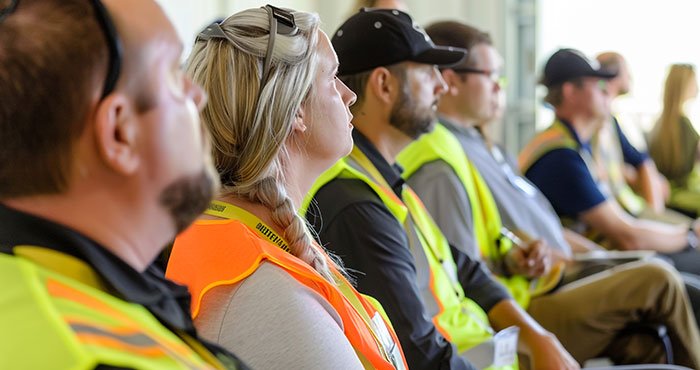
Well-structured training videos help translate policies into everyday workplace behaviour by focusing on recognition, response and real-world application.
Highlight early warning signs
Training should help employees recognise early signs of stress in themselves and others, such as:
- Ongoing fatigue
- Reduced concentration
- Irritability or withdrawal
- Increased absenteeism
- Decline in work quality
This builds awareness and encourages early conversations before issues escalate.
Provide clear response pathways
Employees are more likely to act when they understand what to do. Training should outline:
- How to raise concerns with a supervisor or manager
- When to contact HR or a wellbeing officer
- Where to find internal reporting procedures
Clarity reduces hesitation and supports early intervention.
Define the role of managers
Managers play a key role in applying psychosocial risk controls. Training should outline responsibilities in straightforward way, such as:
- Monitoring workloads
- Providing well-defined expectations and feedback
- Addressing conflict promptly
- Encouraging open communication
- Escalating serious concerns
This ensures leaders are equipped to respond consistently and appropriately.
Use simple, practical delivery
Complex topics are easier to understand when training videos:
- Use plain, straightforward language
- Include relatable workplace scenarios
- Reinforce key points visually
- Break content into short, focused segments
This approach helps employees absorb information and apply it in real situations.
Final Thoughts
So, what are psychosocial hazards at work? They are workplace factors that can cause psychological harm if not properly managed. These hazards may involve workload, behaviour organisational change or lack of support.

Providing a simple training video explanation helps your team understand these risks without confusion. Clear definitions, relatable examples and practical response pathways strengthen awareness and support compliance with Australian work health and safety obligations.
When employees understand psychosocial hazards, they are better equipped to identify concerns early and contribute to a safer, more respectful workplace.
Ready to Create Effective Psychosocial Hazard Training Videos?
At Channel 1 Creative Media, we work with Australian organisations to develop well-structured, practical and professionally produced workplace training videos. We help you translate complex legal and policy requirements into accessible content that your team can understand and apply.Call us on 0387430488 or visit our Contact Us page to discuss how we can support your workplace training needs. Let’s create video content that informs, supports and strengthens your safety culture.