



Manual handling remains one of the most common causes of workplace injury across Australia. From warehouses and construction sites to healthcare and office environments, tasks, such as lifting, carrying, pushing and pulling, can place significant strain on the body when not performed correctly.
If you are planning a manual handling training video, clarity and structure are essential. Staff need actionable guidance they can apply on the job, not vague reminders to ‘lift safely’. A well-produced training video helps reduce injury risk, reinforce compliance with work health and safety obligations and promote a culture of safe work practices.
In this guide, we outline what to include in a manual handling training video for staff so your content is practical, compliant and relevant to Australian workplaces.
Manual Handling Training Video: What to Include for Staff – An Overview
Effective manual handling training helps staff understand the risks of lifting, carrying or moving objects and provides practical strategies to prevent injury. A well-structured training video should cover the key areas that protect both employees and the organisation:
- Safe handling techniques
- Injury awareness
- Importance of training
- Who’s at risk
- Risk controls
What is Manual Handling?
Manual handling involves any activity that requires a person to lift, lower, push, pull, carry, move, hold or restrain an object or person.
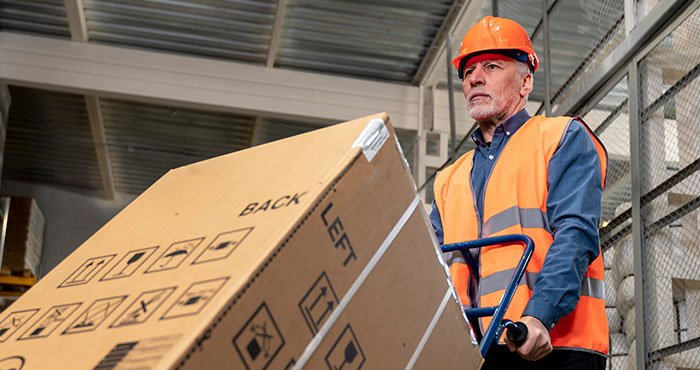
In a manual handling training video, you can use examples specific to your workplace to make it relatable, such as:
- Moving stock in a warehouse
- Transferring patients in healthcare
- Handling tools or materials on a construction site
- Shifting office equipment or archives
When staff recognise familiar tasks, the training becomes more practical and easier to absorb.
Essential Elements for Effective Manual Handling Training
A manual handling training video should go beyond telling staff to lift safely. It should provide clear, practical guidance that staff can apply immediately, highlight the risks of improper handling and show ways to prevent injuries. The following elements form the backbone of effective training content for Australian workplaces.
Demonstrate Safe Handling Techniques
Staff need clear guidance on handling items safely to prevent injuries.
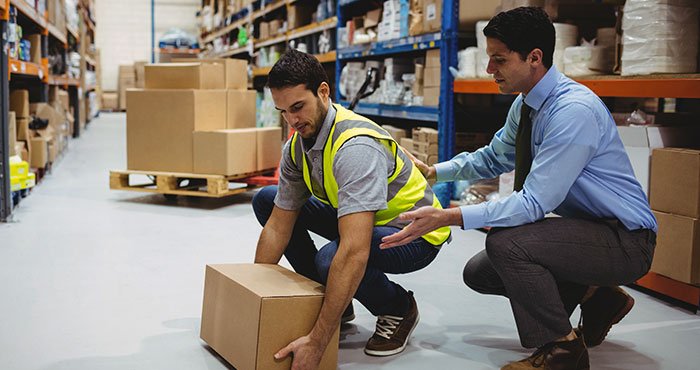
This includes lifting, carrying, pushing, pulling and restraining objects or assisting people safely when required. Examples include:
- Lifting – Bend at the knees, keep your back straight and hold objects close to your body.
- Carrying – Avoid twisting or turning your torso; move your feet to change direction.
- Using aids – Encourage trolleys, hoists or lifting straps for heavy or awkward items.
Tip: Demonstrate both correct and incorrect techniques in the video so staff can see the difference clearly. Channel 1 Creative Media can create step-by-step visuals that make these techniques easy to follow.
Explain the Risks of Poor Manual Handling
Poor manual handling can lead to a range of injuries, from minor strains to serious musculoskeletal disorders.
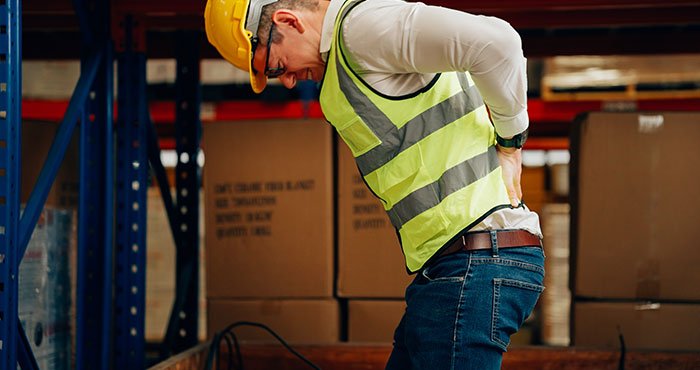
Common examples are:
- Back injuries from lifting heavy objects incorrectly
- Shoulder or arm strains from overreaching or repetitive lifting
- Slips, trips or falls while carrying loads
Highlighting real-life examples or case studies in your video helps staff understand the seriousness of injuries and the impact on their daily lives. Visual comparisons of ‘injury vs safe practice’ can also be particularly effective.
Show Why Training Matters
Investing in manual handling training isn’t just about safety; it also reduces downtime and financial costs. A single injury can lead to workers’ compensation claims, lost productivity and ongoing treatment expenses. Beyond finances, manual handling injuries can affect an employee’s lifestyle, limiting mobility and daily activities.
Include examples in your video, such as: ‘A simple back strain can take weeks to recover, affecting both work and home life.’ These scenarios help businesses see why training is a worthwhile investment.
Identify Who’s at Risk
Some employees are more vulnerable to manual handling injuries than others. Higher-risk roles often include:
- Staff regularly lifting heavy objects or materials
- Employees performing repetitive tasks or awkward movements
- Workers required to bend, stretch or twist frequently
Your training video should identify these roles and provide targeted guidance to make the content relevant for all staff.

Short interviews or testimonials from employees in similar roles can make the risks feel real and relatable.
Apply Practical Controls to Reduce Risk
Manual handling hazards can be reduced or eliminated using several practical controls:
- Correct lifting techniques – Show staff the proper stance, grip and movement for various tasks
- Mechanical aids – Demonstrate trolleys, hoists or lifting equipment to minimise strain
- Staff training – Regular refreshers and scenario-based exercises help maintain skills
- Workplace design – Adjust shelf heights, reduce bending or stretching and organise storage to make tasks safer
Tip: Using colour-coded zones for heavy lifting areas or labelled weight limits can make your video more interactive and actionable for businesses.
Final Thoughts
A comprehensive manual handling training video protects both employees and organisations.

By demonstrating safe techniques, highlighting risks, identifying who’s at risk and offering practical controls, your staff gain the knowledge to prevent injuries and improve workplace safety.
Ready to Develop a Manual Handling Training Video That Protects Your Team?
At Channel 1 Creative Media, we produce clear, practical and professionally structured workplace training videos tailored to Australian industries. From script development to on-site filming and post-production, we help you deliver manual handling content that is accurate, engaging and aligned with your safety obligations.Call us on 0387430488 or visit our Contact Us page to discuss how we can support your workplace training requirements. Let’s create video content that strengthens safety and supports your team every day.