
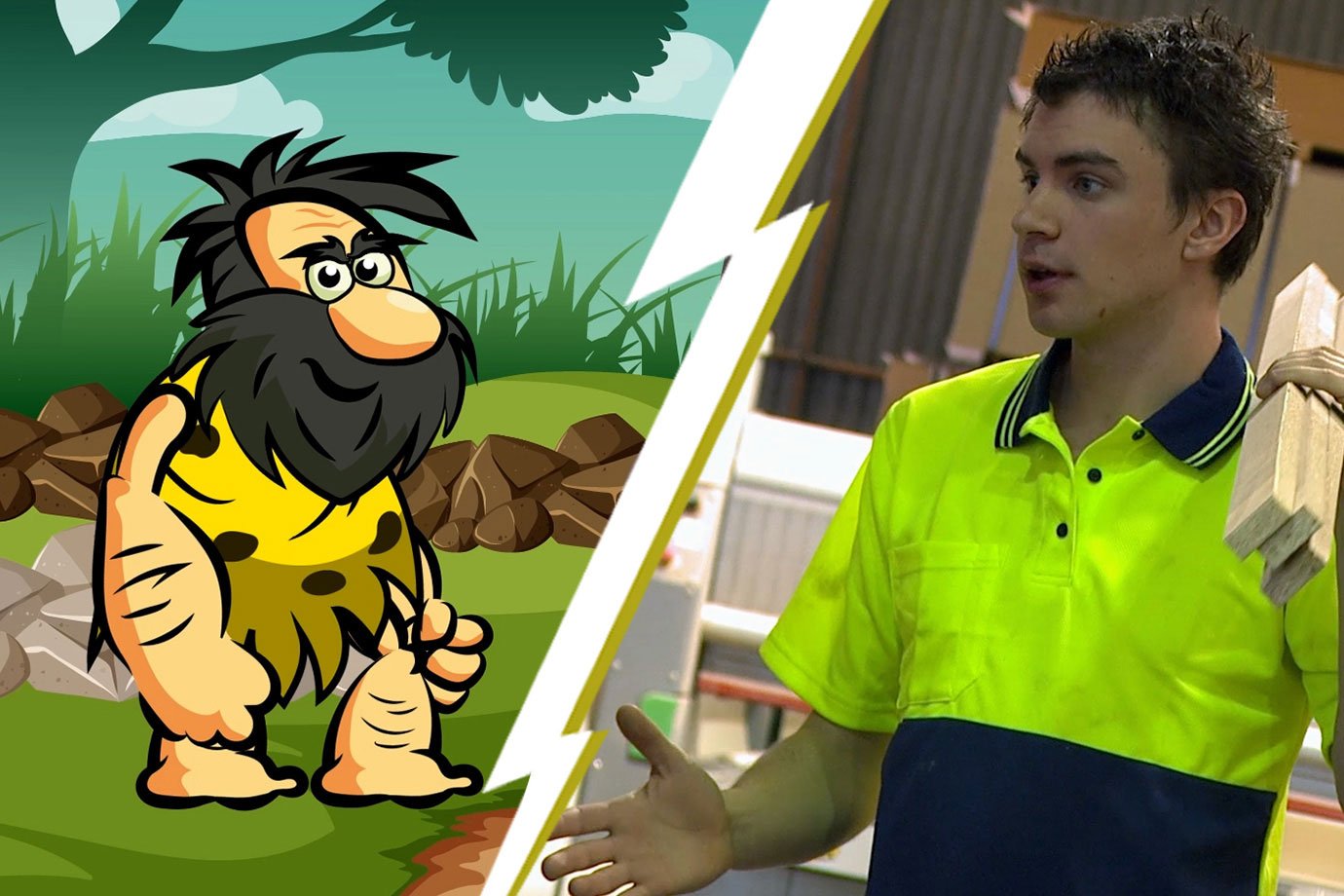


When creating a workplace safety video, one of the first decisions is choosing between animation and live action. Both formats can deliver effective safety training, but each offers distinct advantages depending on your objectives, audience and workplace environment.
Safety videos using animation can simplify complex concepts, visualise hazards that cannot be safely filmed and make future updates easier. Live action safety videos, on the other hand, use real people and workplaces to demonstrate procedures, helping employees relate the training to their own roles and responsibilities.
The best choice depends on what you’re trying to achieve. In many cases, organisations benefit from combining both approaches to create training that is practical, engaging and easy to understand.
If you’re deciding between animation and live action for your next workplace safety video, this guide explains the strengths, limitations and ideal applications of each format so you can choose the solution that best suits your organisation.
Safety Videos: Animation vs Live Action – An Overview
When comparing animation and live action safety videos, consider factors such as:
- Workplace realism and authenticity
- Ability to explain complex concepts
- Employee engagement
- Flexibility for future updates
- Production requirements
- Suitability for different training scenarios
Understanding where each format performs best will help you create safety training that is practical, engaging and relevant to your workforce.
Why Choose Live Action Safety Videos?
Live action safety videos use real people, workplaces and equipment to demonstrate procedures, hazards and best practices. Because employees see genuine work environments, the training feels familiar, practical and directly relevant to their day-to-day responsibilities.
Realistic and Relatable
Seeing familiar equipment, worksites and procedures helps employees understand how safety requirements apply in their own workplace. Rather than imagining a situation, they can watch real people carrying out real tasks in an environment that reflects their day-to-day work.
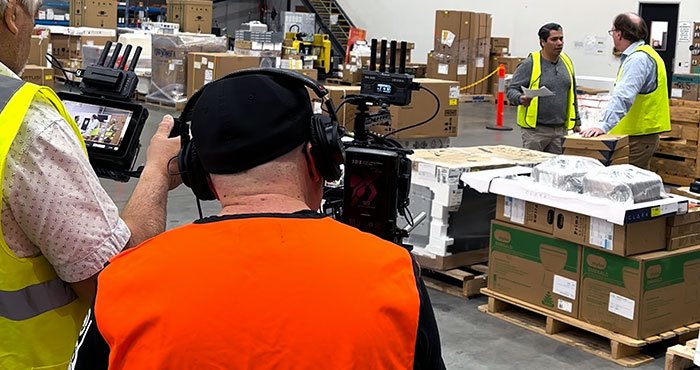
This realism makes it easier for employees to visualise the correct behaviours and apply what they’ve learned on the job.
Demonstrates Practical Procedures
Some safety topics are best taught through real-world demonstrations.
Examples include:
- Correct lifting techniques
- Machine operation
- Lockout and tagout procedures
- Emergency response processes
- Safe use of workplace equipment
Watching experienced workers complete these tasks provides practical guidance that written instructions or diagrams cannot always achieve.
Creates a Stronger Human Connection
Live action can also create a stronger emotional connection with viewers. Seeing real employees and supervisors often makes the training feel more authentic and credible than animated characters alone.
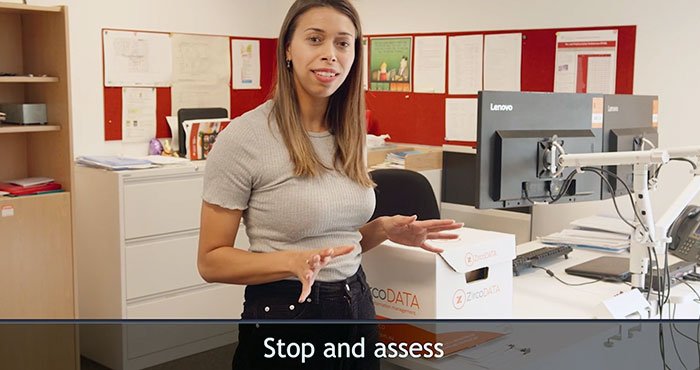
Interviews with safety leaders or subject matter experts can reinforce key messages, while vox pops from employees provide genuine workplace perspectives that encourage engagement and trust.
Tips:
- Film in real workplace environments whenever possible.
- Use experienced employees or subject matter experts where appropriate.
- Include interviews or vox pops to reinforce key messages.
- Ensure every procedure shown reflects current workplace policies and practices.
When Live Action May Not Be the Best Choice
Although highly effective, live action is not always the most practical option.
Filming typically requires careful planning, including organising locations, coordinating employees or presenters, arranging equipment and managing production schedules. These additional logistics can increase both production time and complexity.
Updating live action videos can also be more challenging. If workplace procedures, branding or equipment change, new filming may be required to keep the training current.
There are also situations that cannot be safely recreated on camera. Demonstrating serious incidents, equipment failures or hazardous scenarios may introduce unnecessary risk or simply be impractical to film.
In these cases, animation often provides a safer and more flexible solution.
Why Choose Animated Safety Videos?
Animated safety videos use illustrations, motion graphics or 2D and 3D animation to explain workplace hazards, procedures and safety concepts. Rather than relying on filmed footage, animation presents information visually, making it particularly effective for topics that are difficult, unsafe or impractical to capture on camera.
Simplifies Complex Concepts
Animation is particularly effective when explaining processes or concepts that are difficult to visualise in a real workplace.
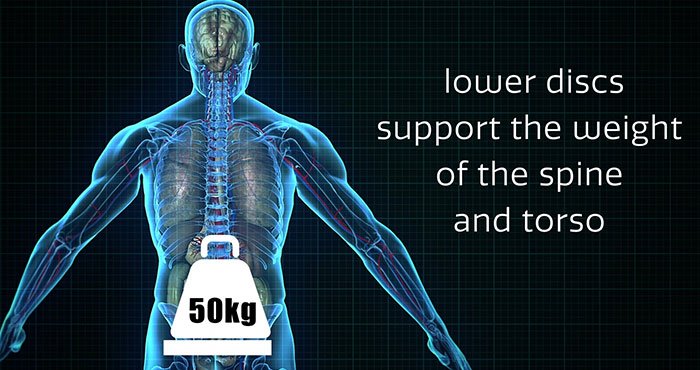
For example, it can clearly illustrate:
- Chemical exposure pathways
- Electrical systems
- Internal machinery components
- Airborne hazards
- Psychosocial risks
- Complex compliance processes
Breaking these topics into simple visual sequences helps employees understand information that may otherwise be difficult to explain through live action alone.
Demonstrates Difficult or Unsafe Scenarios
Some situations are impossible or unsafe to recreate for filming.
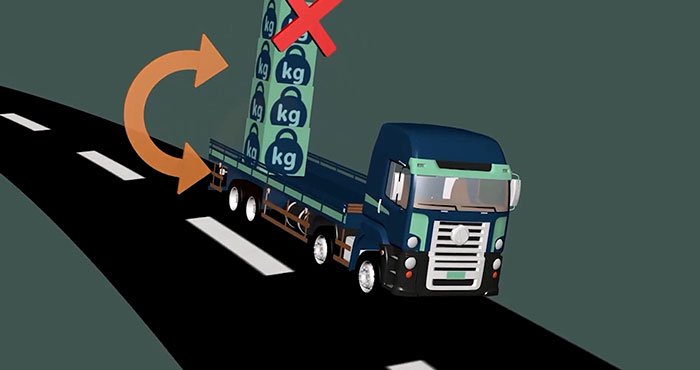
Animation allows organisations to demonstrate equipment failures, fire scenarios, hazard escalation, unsafe behaviours or emergency situations without placing people, equipment or workplaces at risk. It also provides complete control over the scenario, ensuring every learner receives the same consistent message.
Easier to Update
If procedures, branding or legislation change, animated content can often be updated more easily than live action. Graphics, text and individual scenes may be revised without organising another filming day, which makes animation a practical option for organisations that regularly update their training materials.
Consistent and Flexible
Animation also offers complete control over branding, colours, graphics and visual presentation. This consistency is particularly valuable when producing a series of safety videos across multiple departments, locations or business units.
Tips:
- Use animation to explain concepts that are difficult or impossible to film.
- Keep graphics simple and focused on the key message.
- Design animations so text and graphics can be updated efficiently.
- Maintain a consistent visual style across all training content.
When Animation May Not Be the Best Choice
While animation offers considerable flexibility, it isn’t always the best solution for every workplace training scenario.
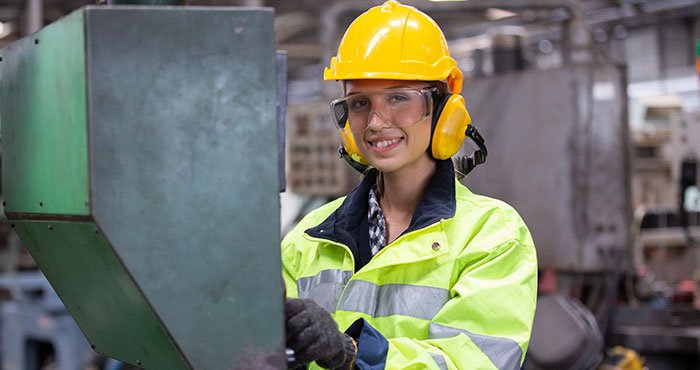
For practical demonstrations, employees often relate more easily to seeing real people performing real tasks in genuine work environments. Live action can also create a stronger emotional connection, particularly when interviews or vox pops are used to reinforce key messages.
High-quality custom animation also requires careful planning, creative development and production time. Although updates are often simpler once the video has been created, producing professional animation from scratch can still require a significant investment.
For many organisations, animation works best alongside live action, combining clear visual explanations with authentic workplace demonstrations.
When to Use Live Action or Animation
Both live action and animation can be highly effective for workplace safety training. The right choice depends on the information you’re presenting, the people you’re training and the environment in which they’ll apply what they’ve learned.
When Live Action Is the Better Choice
Live action is often the strongest option when employees need to see real people completing real tasks in genuine workplace environments.
It is particularly effective for:
- Workplace inductions
- Site-specific training
- Equipment operation
- Safe work procedures
- Personal protective equipment (PPE) demonstrations
- Operational workflows
Because employees can see procedures performed in realistic settings, they’re more likely to understand how those practices apply in their own workplace. Live action is also well suited to interviews and vox pops, as it helps create a stronger connection with the audience through authentic experiences and perspectives.
When Animation Works Best
Animation is often the better choice when the goal is to explain concepts rather than demonstrate physical tasks.
It is particularly effective for:
- Mental health awareness
- Psychosocial hazards
- Emergency planning
- Compliance processes
- Hazard identification
- Scientific or technical explanations
- Processes or systems that cannot easily be filmed
Animation is also valuable when filming is restricted by workplace access, confidentiality requirements or safety considerations.
Making the Right Choice for Your Safety Video
Choosing the right format involves more than comparing animation and live action. It’s equally important to consider your audience, the learning outcomes and whether a combination of both approaches would deliver the strongest result.
Think About Your Audience
The most effective safety videos are designed around the people watching them.
Consider:
- Workplace environment
- Employee experience
- Technical knowledge
- Training requirements
- Learning preferences
For example, new employees may benefit from realistic workplace footage during an induction, while technical teams may better understand complex systems through animated graphics. A workforce with varied roles may benefit from a combination of both formats.
Focus on Learning Outcomes
Animation and live action are simply different ways of communicating information. The format should always support the desired learning outcome rather than become the focus of the production.
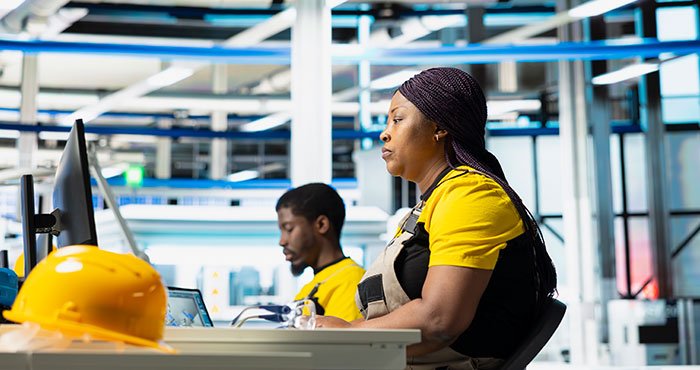
Regardless of the approach you choose, your safety video should:
- Present accurate information
- Demonstrate clear procedures
- Keep employees engaged
- Support workplace compliance
- Reinforce safe decision-making
The most successful safety videos are those that help employees understand and confidently apply safe work practices.
Consider a Hybrid Approach
Many organisations don’t need to choose one format over the other. Combining live action and animation often delivers the best overall result.
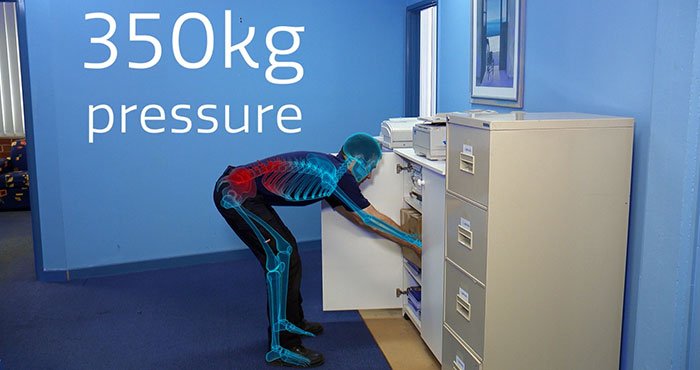
For example:
- Live footage demonstrates equipment use and workplace procedures.
- Animation explains internal processes or hazards that cannot be filmed.
- Motion graphics reinforce key safety messages.
- Text overlays highlight important instructions and compliance requirements.
This blended approach combines the authenticity of real workplaces with the clarity and flexibility of animation, creating training that is both engaging and easy to understand.
Tips:
- Use live action for practical demonstrations and workplace behaviours.
- Use animation to simplify concepts or illustrate situations that cannot be safely filmed.
- Keep the visual style and messaging consistent throughout the video.
- Choose the format that best supports each learning objective.
Final Thoughts
Choosing between animation and live action isn’t about deciding which format is better. It’s about selecting the approach that best suits your workplace, your employees and the information you’re communicating.
Live action offers realism, practical demonstrations and a stronger human connection. Animation excels at simplifying complex concepts, explaining scenarios that cannot be safely filmed and making future updates easier. For many organisations, combining both approaches provides the most engaging and effective learning experience.
By considering your audience, training requirements and workplace environment, you can create safety videos that improve understanding, reinforce safe behaviours and support ongoing compliance.
Ready to Create Workplace Safety Videos That Suit Your Organisation?
At Channel 1 Creative Media, we help organisations produce workplace safety videos that are tailored to their people, industry and training objectives. From concept development and scripting through to filming, animation and post-production, our experienced team creates engaging training content that supports safer workplaces.
Whether your project is best suited to live action, animation or a combination of both, we’ll work with you to develop a solution that communicates clearly and delivers lasting value.
Call us on (03) 8743 0488 or visit our Contact Us page to discuss your workplace safety video requirements. We’d love to help you create professional safety videos that inform, engage and support your workforce.