



Across the organisations we work with, we’re seeing a shift away from simply explaining procedures and toward demonstrating them. Whether it’s a safety process, a difficult conversation or a workplace task, more organisations are recognising that people understand things faster when they’ve actually seen it done.
For years, workplace training relied heavily on written procedures, presentations and verbal explanations. These all have their place, but they leave room for interpretation — two people can read the same procedure and walk away with slightly different ideas about what’s expected.
That’s where demonstration makes a real difference. Showing someone how to perform a task, conduct an inspection or handle a situation removes much of the guesswork. Expectations become clearer, and there’s more confidence that everyone is working from the same understanding.
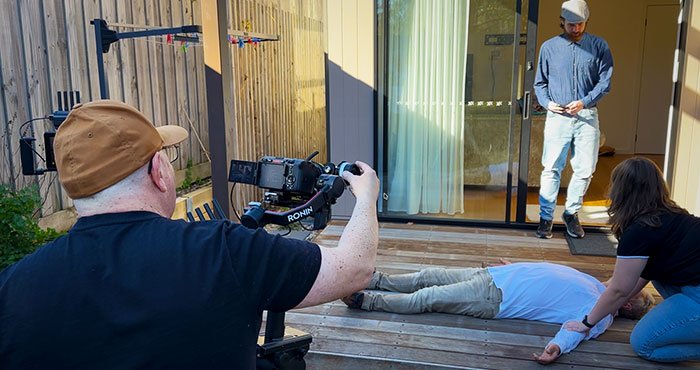
We’re seeing this across a wide range of topics. Safe work procedures are being demonstrated instead of simply described. Customer interactions are being acted out rather than discussed, and managers are working through difficult conversations in realistic, scripted scenarios rather than talking about them in the abstract. Even inductions are increasingly built around workplace scenarios to show new starters how things are actually done.
Another trend worth noting: organisations are using their own people in these demonstrations. When employees see familiar faces performing everyday tasks in their own workplace, the training feels more relevant and believable — it reflects the environment they actually work in, which makes it easier to connect learning with real-life situations.
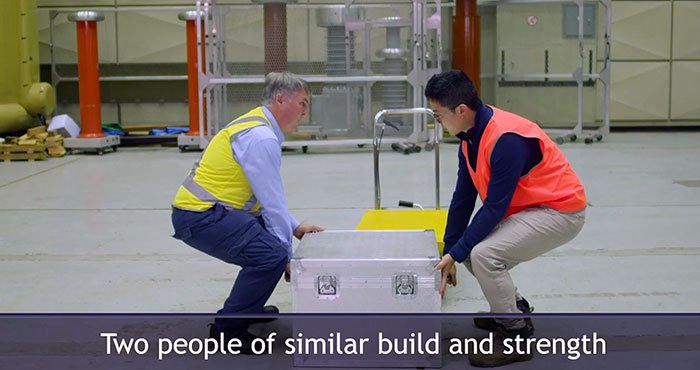
One client’s induction process illustrates this well. New starters were handed a document listing site hazards, amongst other information, to read before starting work — a standard box-ticking exercise with little real engagement. Unsurprisingly, incidents kept occurring despite the paperwork being completed every time. We worked with the client to replace the document with a short video instead. Rather than using an outside presenter, the client’s own workers each spoke about a hazard they encountered regularly and walked through exactly how to control it. New starters weren’t just told what the risks were — they saw the people they’d be working alongside explain, in their own words, what to watch for and what to do about it. The hazards hadn’t changed, but the way people understood and responded to them had.
This visual approach also seems to build confidence. Once people have seen something done correctly, they’re more comfortable repeating it themselves, with a clear reference point instead of a written description to interpret.
None of this means every piece of training needs to become a professionally produced drama. Often the simplest demonstrations are the most effective — clear, authentic examples that make expectations easy to understand.
As workplaces become more complex, organisations are recognising that telling people what to do isn’t enough. Showing them what good looks like is proving to be one of the most effective ways to build understanding, confidence and consistency.