
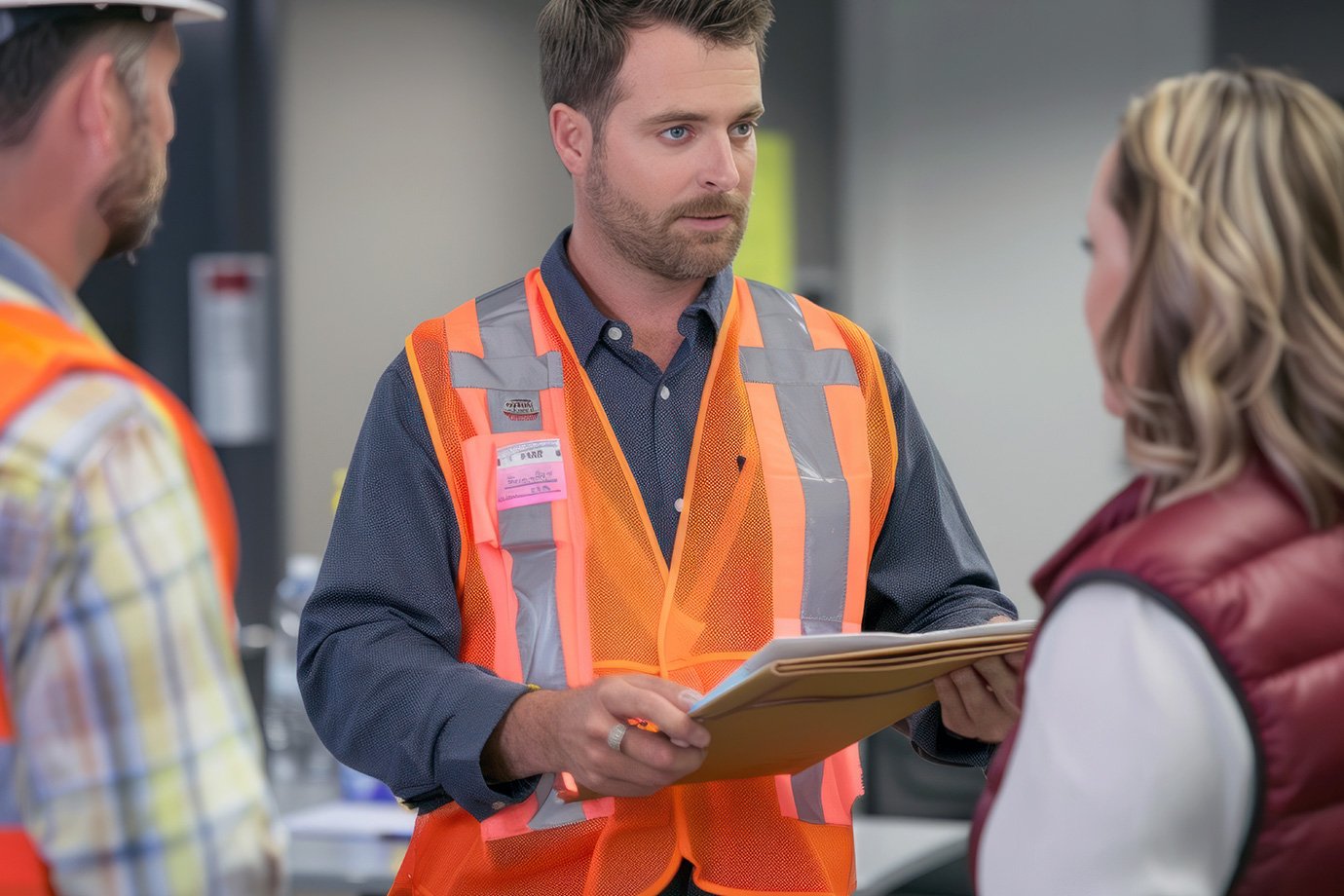


Workplace safety isn’t something you create once and forget about. As your business grows, procedures change, new equipment is introduced and safety requirements evolve. If your training videos don’t keep up, employees may be following instructions that no longer reflect current workplace practices.
So, when should you update your safety videos, and why does it matter? The short answer is when your workplace, processes or compliance requirements change, or when your existing content is no longer effective. Regular updates help keep training accurate, relevant and useful for your team.
Even professionally produced safety videos need to be reviewed over time. In this guide, we’ll look at the key signs that it’s time to update your safety videos, how often to review them and how to make future updates easier.
Updating Your Safety Videos: A Quick Overview
Safety videos should be reviewed whenever significant workplace changes occur, including:
- New equipment or machinery
- Revised workplace procedures
- Changes to safety legislation or industry standards
- New hazards or operational risks
- Company rebranding or organisational changes
- Employee feedback that highlights gaps in existing training
Let’s explore why regular updates are important and the situations that should trigger a review of your safety video library.
Why Updating Safety Videos Matters
Safety videos are designed to guide employee behaviour. If the information is outdated, workers may unknowingly follow procedures that no longer align with current expectations.

Keeping your videos current helps:
- Reinforce safe work practices
- Support workplace compliance
- Improve employee confidence
- Maintain consistency across teams
- Reduce confusion during onboarding and refresher training
Rather than viewing updates as an additional expense, it is more useful to see them as part of maintaining an effective safety management system.
When Should You Update a Workplace Safety Video?
Here are some key situations that may indicate your safety video needs to be reviewed or updated.
When Workplace Procedures Change
One of the clearest reasons to update a safety video is when the way work is performed changes.
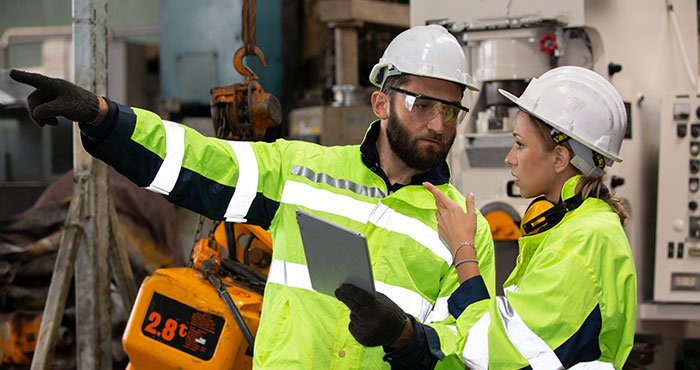
For example, your organisation may introduce:
- A revised operating procedure
- New reporting processes
- Updated emergency response plans
- Different PPE requirements
- Changes to risk control measures
Even relatively small procedural adjustments can affect the accuracy of existing training. Employees should always see procedures that match what is expected on the job.
When Equipment or Machinery Changes
Many workplace safety videos include demonstrations of tools, machinery or specialised equipment. If your organisation replaces or upgrades equipment, older demonstrations may quickly become outdated.
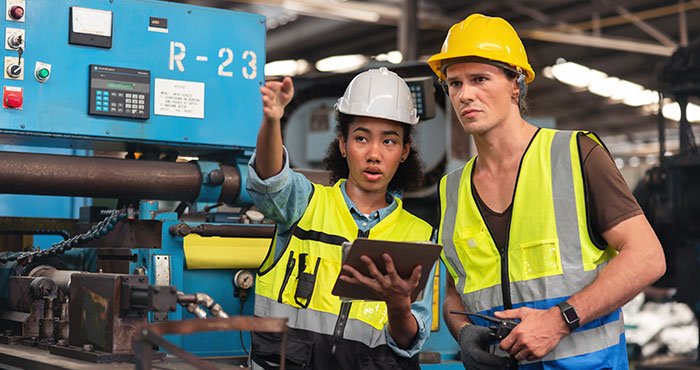
Examples include:
- New machinery controls
- Different operating sequences
- Updated safety guards
- Alternative maintenance procedures
- New technology integrated into existing systems
Showing employees equipment they no longer use can reduce the practical value of the training. When significant equipment changes occur, review the related video content to ensure it remains accurate and relevant.
When Regulations or Compliance Requirements Change
Health and safety obligations can evolve across many industries. Legislation, industry standards, regulatory guidance and organisational policies may all affect the information included in your training materials.

Review your safety videos after:
- Industry standard updates
- Internal policy revisions
- Regulatory guidance changes
- Compliance audit recommendations
Keeping training materials aligned with current requirements can support broader workplace safety and compliance efforts.
After a Workplace Incident or Near Miss
Workplace incidents and near misses can highlight gaps in existing safety training.

Following an investigation, you may find that a video:
- Does not address a particular hazard
- Needs clearer demonstrations
- Omits an important procedure
- Requires stronger emphasis on risk controls
Updating training after these events can help incorporate lessons learned into future employee education and reinforce important safety practices.
When Your Workplace or Branding Changes
Changes to your workplace can also make existing video content outdated. This may include:
- New workplace locations
- Different uniforms
- Updated signage
- Changes to work areas
- New contact details
- Company rebranding
These details may seem minor, but outdated visuals can make training appear less relevant. Updating them can help keep the content aligned with your current workplace and brand.
When Employee Feedback Highlights Gaps
Employees who complete your training can provide useful insight into what works and what could be improved.

Feedback may identify videos that:
- Move too quickly
- Lack practical examples
- Use unclear terminology
- Miss common workplace scenarios
- Need updated demonstrations
When feedback consistently highlights the same issues, it may be time to review the video and determine what needs to change.
When the Video Is No Longer Effective
A video may need updating even when there has been no major operational change. Warning signs can include employees questioning whether procedures are still current, supervisors explaining information differently from the video or new staff finding parts of the training confusing.
If the content no longer communicates information clearly or supports the way employees are expected to work, a review can help determine whether targeted updates or a complete refresh is appropriate.
How Often Should You Review Your Safety Videos?
Regular reviews can help identify outdated information before it affects the usefulness of your training.

The appropriate review schedule will depend on the type of content, workplace risks and how frequently your operations change.
Consider:
- Reviewing critical safety videos annually
- Assessing induction content every 12 months
- Reviewing specialised training after operational changes
- Checking that procedures and visual information still match current workplace practices
A scheduled review makes it easier to identify smaller issues before outdated content builds up across your training library.
Build Future Updates Into Your Production Strategy
You can make future revisions easier by considering them during the initial production process. A flexible video structure allows individual elements to be updated without necessarily replacing the entire production.
This may include:
- Creating shorter, topic-based modules
- Avoiding unnecessary date references
- Separating procedures into individual sections
- Using graphics that can be revised independently
- Keeping reusable footage where appropriate
Planning for future changes can make safety videos easier to maintain as your workplace, procedures and training requirements evolve.
Final Thoughts
Safety videos should evolve alongside your workplace. As procedures, equipment and regulations change, your training content should continue to reflect the way your organisation operates today.

Regular reviews, timely updates and thoughtful planning ensure employees receive accurate guidance that supports safe decision-making every day. Whether the changes involve a simple graphics refresh or a revised equipment demonstration, maintaining current training content is an important part of any effective workplace safety program.
By treating your safety videos as living resources rather than one-off productions, you can continue delivering training that remains relevant, practical and trusted by your team.
Ready to Refresh Your Workplace Safety Videos?
At Channel 1 Creative Media, we work with organisations to review, update and produce workplace safety videos that remain accurate, engaging and aligned with current operational requirements. Whether you need a small revision, updated branding or a complete redevelopment, our team can help you keep your training content relevant without unnecessary complexity.
Call us on 0387430488 or visit our Contact Us page to discuss your workplace safety video requirements. Together, we can ensure your training continues to support safer workplaces and informed employees.